The person in your video interview may not be the person who shows up to work. On October 13, 2026, the FBI warned that remote IT workers tied to a foreign state-backed scheme now pay US-based facilitators to appear on camera, sit job interviews, and verify fraudulent identities (FBI IC3 alert I-101326-PSA).
The same day, federal prosecutors in the Northern District of Ohio announced an indictment charging 14 people in a remote IT worker conspiracy that affected more than 70 US companies (US Attorney's Office, Northern District of Ohio).
For enterprise and mid-market employers, the message is clear: hiring is no longer just an HR workflow. It is a security control.
What the FBI is warning about
According to the FBI, these workers are paying Americans for a growing list of services that hide who is really doing the job. The list includes appearing on camera, taking part in interviews or meetings, verifying fraudulent identities, and keeping company laptops connected from their own homes.
The FBI also says no single signal reliably identifies these workers. It recommends an "identity in depth" approach: several layered checks across the employment lifecycle, not one gate at the front door.
The FBI notes that steps like E-Verify, requiring multiple forms of identification, or live verification can raise friction for these schemes. It also cautions that relying only on name-based ban lists is unreliable and can hurt legitimate applicants, including victims of identity theft.
What the indictment alleges
Prosecutors say US facilitators helped people working for overseas fraud networks get hired as remote IT workers, and hosted company-issued laptops at their homes in so-called "laptop farms." The scheme allegedly generated about $3 million in revenue.
The victims spanned health care, communications, cyber support, retail, and manufacturing, in more than a dozen states and the District of Columbia. An indictment is only a charge, and the defendants are presumed innocent unless proven guilty.
Why remote hiring changes the risk
When every step happens on a screen, the interview itself becomes the point of attack. A facilitator can sit the interview. A stolen identity can pass a quick document glance. A real person can hand off the laptop after day one.
That makes the hiring record matter. Who interviewed the candidate, what they saw, what questions were asked, and who approved the offer are no longer administrative details. They are evidence.
A practical approach: live interviews plus identity checks
Pair a live human interview with an ID and liveness check before you make an offer. Then keep the whole record in one place.
For the identity step, one available option is Checkr Identity Verification, which Checkr introduced in March 2026. According to Checkr, it combines:
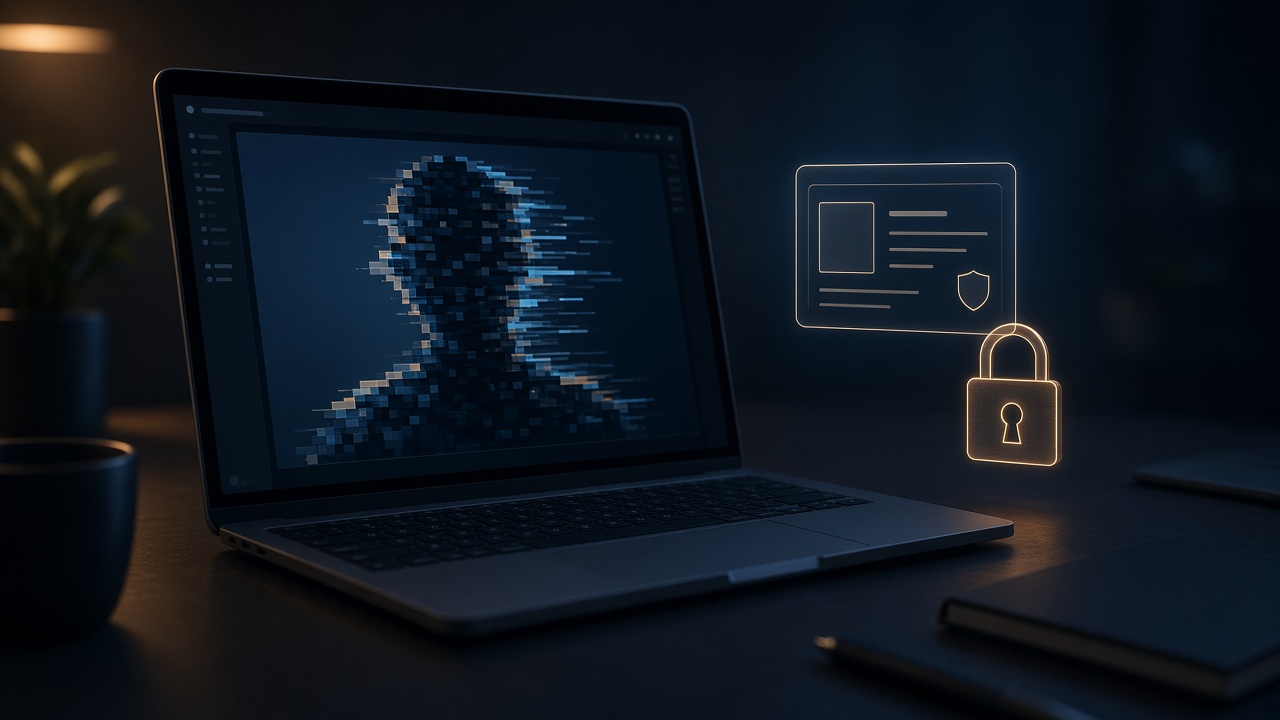
- Liveness detection that flags photos, prerecorded videos, masks, and deepfakes
- Forensic document analysis that looks for tampering and checks ID security features
- Device and network checks that flag VPN or TOR use and location mismatches
Checkr says candidates finish the check in about two minutes on a mobile device. Employers can place it at different points in the process depending on their risk, such as earlier in the funnel for remote or sensitive roles. If the verification fails or is incomplete, the background check does not start. Checkr also says it offers more than 200 pre-built integrations with ATS, HR, and onboarding systems.
An identity tool is one layer. The FBI's guidance is clear that layers matter, so the live interview, reference checks, and onboarding controls still do real work.
Where Pereless fits
Know who you're hiring. Keep every interview, note and decision in one place with Pereless.
Pereless does not detect fraud or verify identity. What it gives your team is a single, organized hiring record: interview stages, interviewer notes, and decisions kept together instead of scattered across inboxes and spreadsheets. When security or legal asks how a hire was made, the answer is in one place.
The schemes are adapting. Your process should be documented well enough that you can see where it held and where it needs another layer.
FAQ
What did the FBI warn about?
The FBI says remote IT workers tied to a foreign state-backed scheme are paying US-based facilitators to appear on camera, sit interviews, verify fake identities, and host company laptops.
How many companies were affected in the DOJ case?
Prosecutors in the Northern District of Ohio say the scheme affected more than 70 US companies. Fourteen people were charged.
Does Pereless verify candidate identity?
No. Pereless does not detect fraud or verify identity. It keeps your interviews, notes, and hiring decisions organized in one record. Identity checks come from dedicated providers such as Checkr.
What is the simplest step to take now?
Require a live interview and an ID and liveness check before any offer for remote roles, and document every step of the decision.
Close the gaps in your remote hiring record
The FBI says these schemes keep changing, and the indictment shows they reach companies of every kind. Talk with us about keeping every interview, note, and decision in one place.